Exteriors Built for Midwest Weather Cycles
Roofing and Siding Services in Wyoming for homes facing weather damage, energy loss, or deteriorating exterior materials
Wyoming weather alternates between summer heat, winter freeze-thaw cycles, and spring storms that drive rain horizontally into siding seams—conditions that expose every weak point in roofing and exterior cladding. Roofs develop ice dams when attic ventilation fails, siding cracks when moisture gets behind it and freezes, and fascia boards rot when gutters overflow and soak the wood repeatedly. The work involves identifying where water enters, how ventilation affects temperature differentials, and which materials resist Michigan's humidity and temperature swings without warping or splitting.
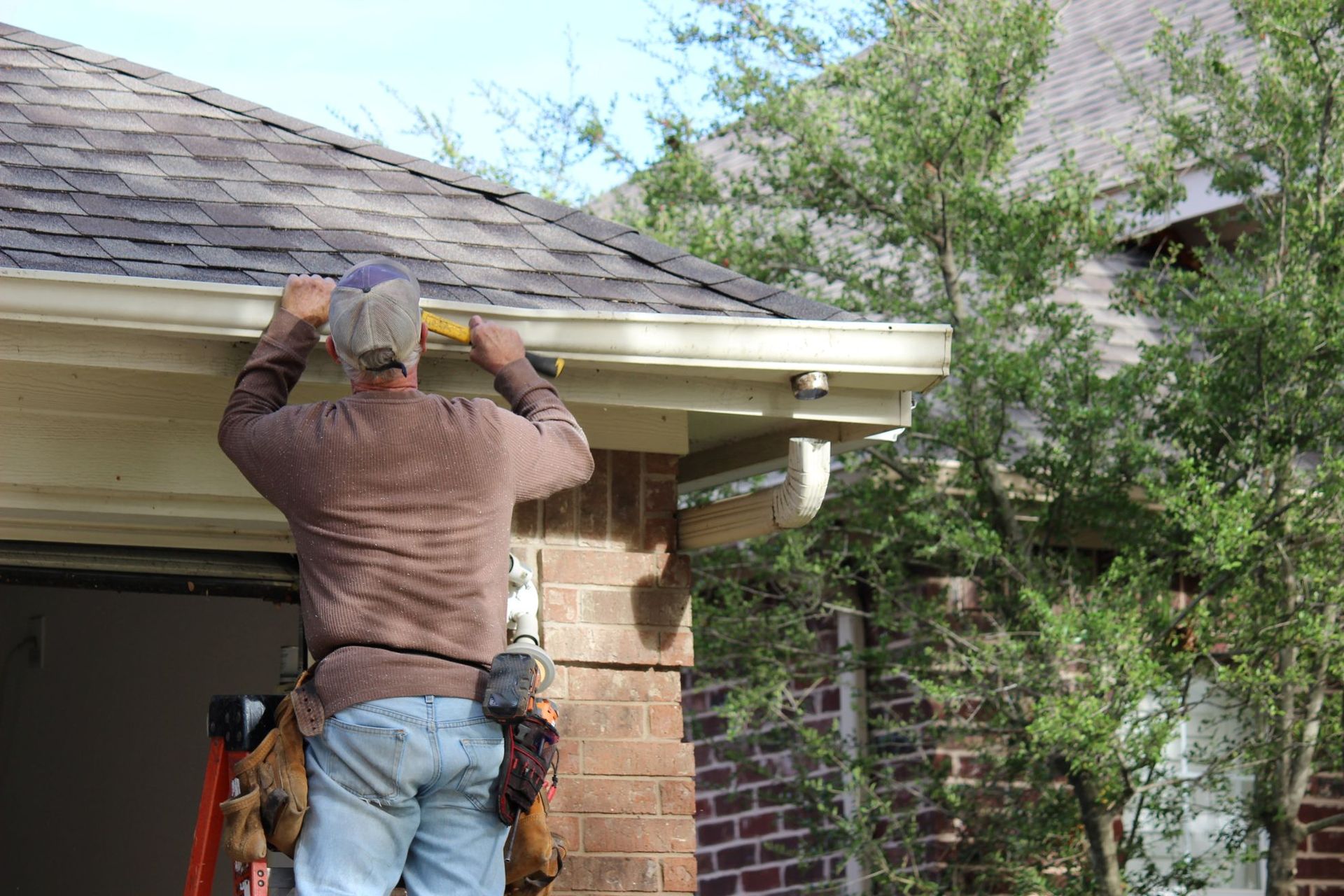
Roofing repairs address shingle damage, flashing failures around chimneys and vents, and underlayment that has degraded to the point where leaks develop during heavy rain or snowmelt. Full replacement becomes necessary when multiple layers of old shingles have compressed the roof deck, ventilation systems no longer meet code, or the shingle granules have worn off to the point where UV protection is gone. Siding services range from replacing individual damaged sections to full re-siding when the existing material has reached the end of its weather resistance and structural integrity.
Request an exterior inspection to identify specific roofing or siding issues and review repair versus replacement options.
Why Exterior Upgrades Matter for Long-Term Protection
Roofing installation involves removing old materials down to the deck, inspecting and repairing any rot or structural damage, installing new underlayment and ice-and-water shield in vulnerable areas, then laying shingles with proper overlap and fastening patterns that resist wind uplift. Siding installation requires weather-resistant barriers behind the cladding, proper flashing around windows and doors, and ventilation gaps that allow moisture to escape rather than trapping it against the sheathing. Boldly Construction LLC handles both roofing and siding under one project timeline, which prevents the scheduling gaps that leave homes partially protected during weather events.
Once work finishes, your home sheds water effectively during storms, attic temperatures stay closer to outdoor ambient levels due to improved ventilation, and heating costs drop because air leaks around siding seams are sealed. The roof no longer shows dark streaks from algae growth or missing shingle tabs, siding sits flat without waves or buckles, and trim details look crisp because they're not swollen from moisture exposure. Ice dams stop forming along the eaves because heat loss from the attic decreases and ventilation allows cold air to circulate under the roof deck.
Roofing services include shingle or metal roofing installation, underlayment and flashing replacement, ventilation upgrades, and gutter coordination. Siding services include material installation, weather barrier application, trim work, and flashing integration. Neither includes interior drywall repair from past leaks, attic insulation upgrades, or structural framing repairs unless identified during inspection and added to the scope. Exterior color selection and material type affect both cost and longevity, with fiber cement siding outlasting vinyl in impact resistance but requiring more labor during installation.
Questions About Roofing and Siding Work
Exterior projects involve understanding how materials perform in local conditions and what problems indicate the need for immediate action versus routine maintenance.
What roofing problems are most common in Wyoming due to weather?
Ice dams from inadequate attic ventilation, wind-lifted shingles during spring storms, and algae growth from moisture retention all appear frequently. Addressing these involves ventilation improvements, proper shingle fastening, and selecting algae-resistant shingles in shaded roof areas.
How does freeze-thaw cycling affect siding performance?
Water that penetrates behind siding expands when it freezes, cracking the material and pushing fasteners loose. This cycle accelerates deterioration, making proper installation with weather barriers and drainage gaps critical for siding longevity in Michigan climates.
What's the difference between roof repair and replacement?
Repairs address localized damage like missing shingles, damaged flashing, or small leak sources, while replacement becomes necessary when widespread shingle failure, multiple layers, or underlying deck damage exist. The decision depends on the percentage of the roof affected and whether the remaining lifespan justifies repair costs.
Why do some homes develop ice dams while others don't?
Ice dams form when heat escapes through the roof deck, melting snow that refreezes at the eaves where the roof remains cold. Homes with poor attic insulation and inadequate ventilation lose heat unevenly, creating the temperature differential that causes ice buildup and potential water infiltration.
What siding materials hold up best in this region?
Fiber cement siding resists moisture, impact, and insect damage better than vinyl or wood, though it costs more and requires more labor to install. Vinyl siding offers lower upfront cost and minimal maintenance but can crack in extreme cold and fade over time from UV exposure.
Boldly Construction LLC provides roofing and siding services that account for Michigan weather patterns, ensuring your home's exterior performs through seasonal extremes and protects interior spaces from water intrusion. Schedule an estimate to review material options and project timelines for your exterior upgrades.