Expanding Without Compromising Structural Integrity
Home Additions in Wyoming for growing families, insufficient living space, and homes where room shortages limit how the property functions
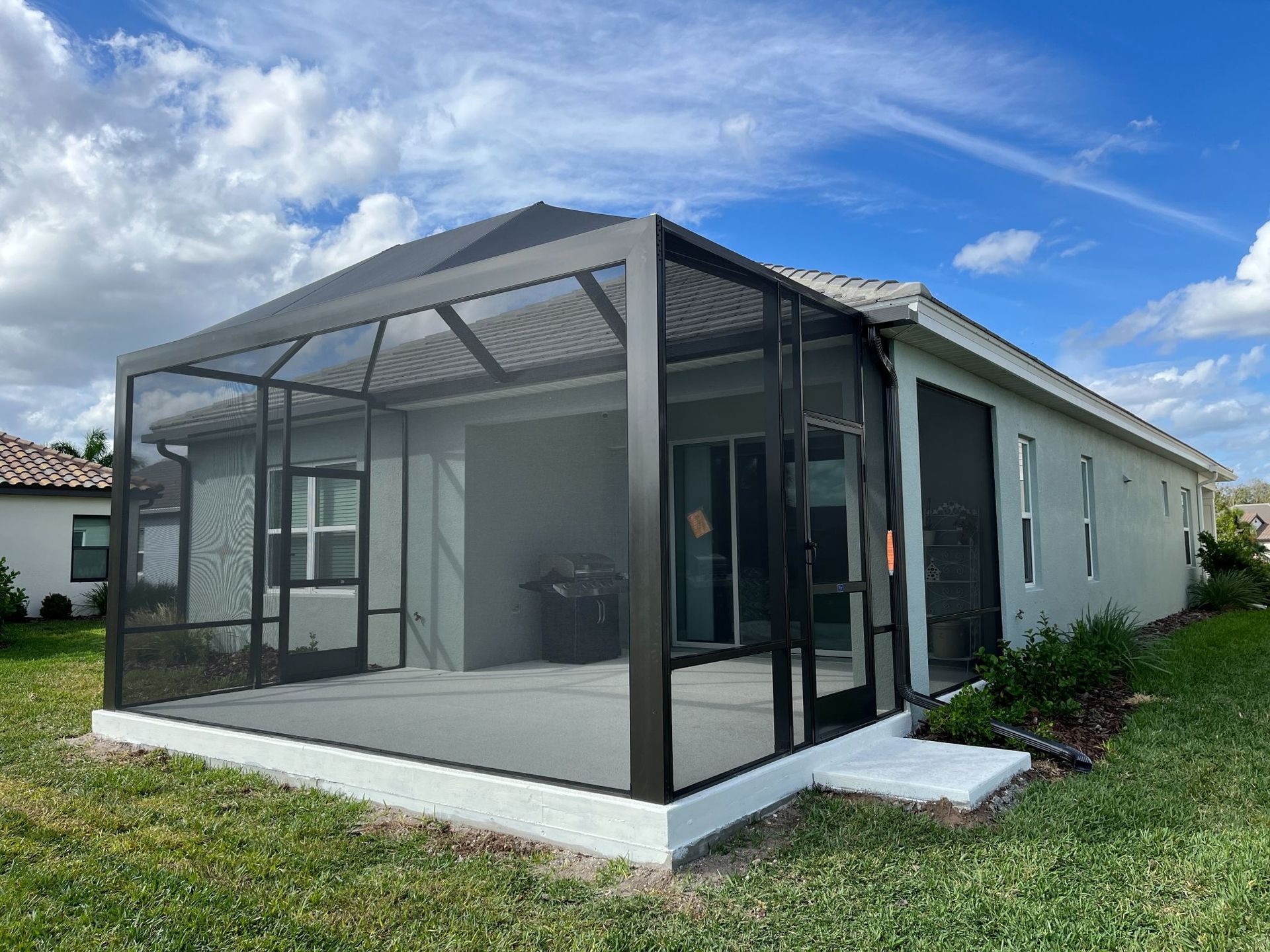
Additions that extend beyond the existing roofline require foundation work that matches the original construction depth and footing width to prevent differential settling where new concrete meets old. Boldly Construction LLC plans and builds home additions throughout Wyoming that integrate structurally and aesthetically with existing homes, addressing foundation requirements, HVAC extension, and exterior finish matching that makes the addition look original rather than obviously attached. Properties on smaller lots face setback restrictions that limit how far additions can extend toward property lines, while homes with crawlspaces need foundation designs that account for frost depth and drainage patterns to prevent frost heave or water pooling under the new structure.
The addition process starts with evaluating how new space connects to the existing floor plan, whether load-bearing walls require temporary support during construction, and how roof framing ties into the original structure without creating valleys that trap snow and ice. Room additions for expanded kitchens often involve relocating exterior walls and installing structural beams to carry second-floor loads, while bump-outs for bathrooms or closets may cantilever over the foundation to avoid excavation costs. Exterior siding and roofing materials must match existing finishes in color, texture, and installation pattern so seams between old and new construction blend visually.
Discuss addition project goals during a consultation to review site constraints, structural requirements, and how the new space integrates with your home's current layout and systems.
What Proper Planning Requires
Additions need dedicated HVAC capacity since extending ductwork from the existing furnace often overloads the system and creates rooms that never reach comfortable temperatures. Electrical service panels sometimes require upgrades to handle additional circuits for lighting, outlets, and heating in the new space. Plumbing extensions for bathrooms or kitchens involve running supply lines and drains either through crawlspaces, basements, or inside wall chases depending on where the addition connects to the main house.
When construction finishes, the addition's interior finishes match adjacent rooms in flooring height, trim profiles, and ceiling texture, creating a continuous flow rather than an abrupt transition that announces where the original house ends. Windows align with existing openings on the same elevation, and roof pitches match so the roofline appears intentional rather than awkwardly grafted. Flooring transitions sit at doorways rather than mid-room, and heating registers deliver airflow that keeps the new space within a few degrees of the rest of the house year-round. Boldly Construction LLC handles permitting, inspections, and coordination of excavation, framing, mechanical, and finish trades to keep addition projects on schedule.
Addition costs depend on foundation requirements, how much existing structure must be modified to accommodate the connection, and whether mechanical systems need upgrades to serve the additional square footage. Bump-outs that don't require new foundations cost significantly less than full room additions, while second-story additions avoid foundation work but require structural evaluation of existing walls and floor systems.
Questions Before Starting Your Project
Home additions involve structural engineering, permitting, and site constraints that don't affect interior remodels, requiring careful planning before construction begins.
What foundation type works best for additions in Wyoming?
Poured concrete footings extending below frost depth prevent heaving, and foundation walls should match the original home's construction to ensure consistent settling and moisture resistance.
How do setback regulations affect addition size?
Local zoning codes specify minimum distances from property lines, which limit how far additions can extend toward side or rear boundaries and sometimes require variance applications for approval.
When does existing HVAC capacity need upgrading?
Systems operating near maximum capacity or older than fifteen years typically can't handle additional load without reduced performance, requiring new equipment or supplemental systems for the addition.
Why do material costs vary for additions versus new construction?
Matching existing finishes often requires custom orders or discontinued product sourcing, and protecting occupied homes during construction adds labor compared to open job sites.
What structural modifications does the existing house need?
Load-bearing wall removal requires installing beams with proper support posts or columns, and roof framing may need reinforcement where new construction ties into original trusses or rafters.
Boldly Construction LLC works with homeowners in Wyoming to design additions that expand usable space while respecting structural requirements, site constraints, and integration with existing systems. Arrange a project review to assess your property's suitability for an addition, explore layout options, and receive a detailed estimate covering foundation, framing, mechanical, and finish costs.