Tile That Handles Moisture and Daily Wear
Custom Tile Installation in Wyoming for kitchens, bathrooms, and flooring that need durable, water-resistant surfaces
Tile failures in Wyoming bathrooms and kitchens typically show up as grout cracks, hollow-sounding tiles that eventually crack, or moisture stains spreading behind shower walls where waterproofing wasn't installed correctly. Boldly Construction LLC provides custom tile installation that addresses substrate preparation, waterproof membrane application, and grout sealing—steps that determine whether tile lasts two decades or starts failing within five years. The difference between a tile installation that holds up and one that deteriorates comes down to what happens before any tile touches the wall or floor.
Proper tile installation begins with substrate evaluation to confirm the surface is flat, structurally sound, and appropriate for the tile weight and moisture exposure. Backsplash installations over drywall require different prep than shower walls, which need cement backer board and waterproof membrane layers to prevent mold and structural damage. Flooring installations must account for subfloor deflection—if the floor flexes under weight, grout cracks and tiles eventually break loose, a common issue in older homes with wider joist spacing.
Arrange an on-site evaluation to review tile options, layout patterns, and substrate requirements for your installation.
How Tile Installation Protects Surfaces Long-Term
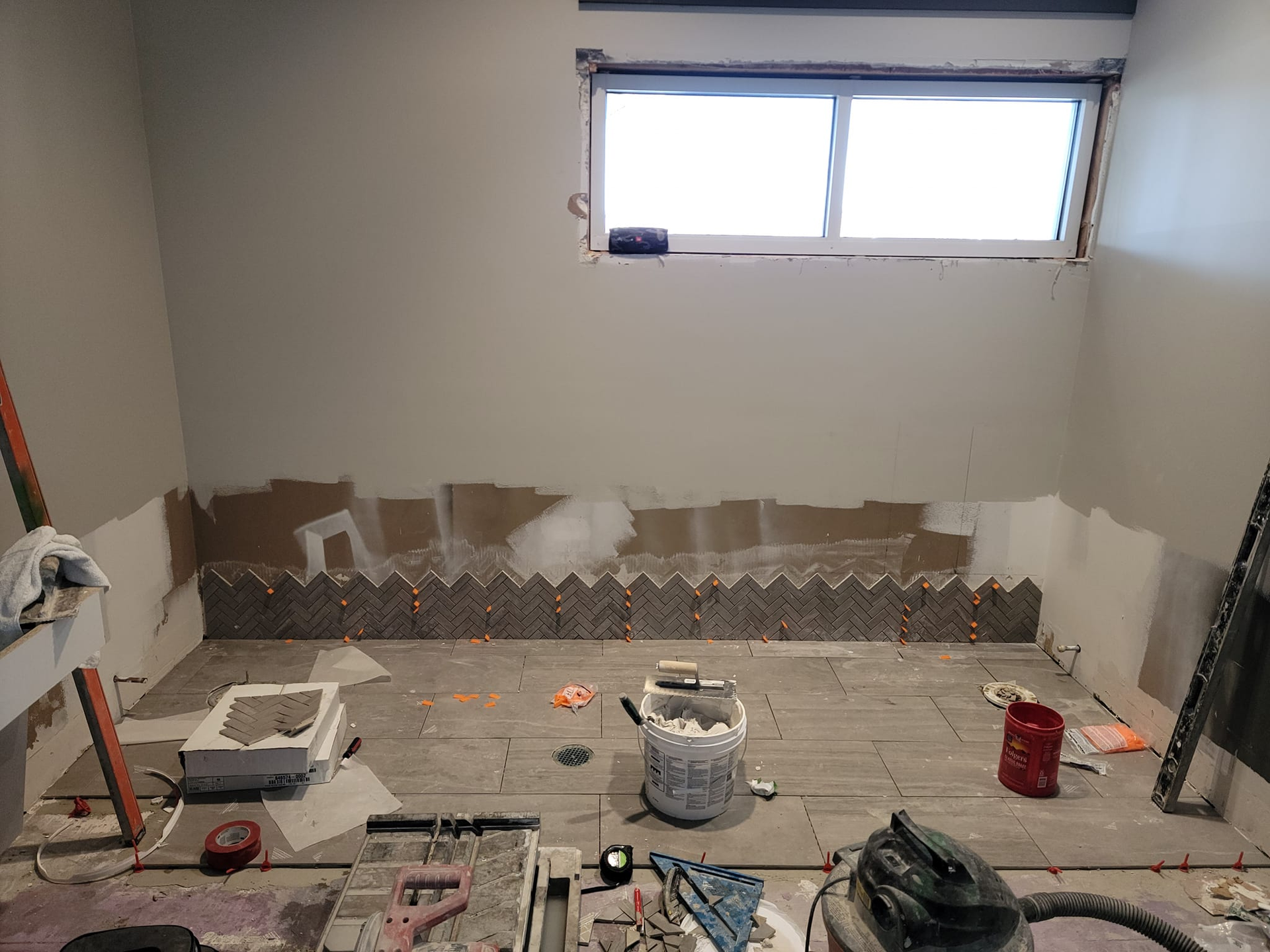
The installation process involves cutting and fitting tiles to match your layout, applying thin-set mortar in consistent layers to prevent voids that cause cracking, and allowing proper cure time before grouting. Waterproof membranes in wet areas create a continuous barrier that directs any moisture toward the drain rather than into wall cavities or subfloors. Grout lines get sealed after curing to resist staining and moisture penetration, which extends the time before grout discoloration or mildew appears.
Once installation completes, you'll see clean grout lines without lippage where tile edges sit uneven, corners that meet precisely without gaps, and surfaces that feel solid underfoot or against your hand. Water beads on sealed grout rather than soaking in, and tiles sound solid when tapped rather than hollow. Properly installed tile doesn't crack under normal use, grout stays intact through temperature changes, and the surface wipes clean without cleaner seeping behind edges.
Custom tile installation includes substrate preparation, waterproofing in wet areas, tile cutting and layout, grouting, and sealing. It does not include plumbing fixture installation, drywall repair beyond the tile area, or removal of multiple layers of old flooring that require structural assessment. Decorative tile features like accent borders, mosaic inlays, or herringbone patterns add labor time due to increased cutting and layout precision.
Tile Installation Questions That Come Up Often
Tile selection and installation decisions depend on understanding where different materials perform best and what preparation prevents common failures.
What tile types work best for Wyoming bathroom showers?
Porcelain and ceramic tiles rated for wet areas handle moisture and temperature fluctuations without cracking, while natural stone requires sealing to prevent water absorption and staining. Larger-format tiles reduce grout line quantity, which minimizes long-term maintenance but requires flatter substrates to prevent lippage.
How does substrate preparation affect tile longevity?
Tiles installed over uneven, flexing, or moisture-damaged substrates crack, de-bond, or develop hollow spots within a few years. Proper preparation involves confirming the surface is level within industry tolerances, structurally stable, and appropriate for moisture exposure—steps that take more time upfront but prevent failure.
Why do some tile installations develop cracks while others don't?
Cracking happens when substrates flex beyond tile tolerance, thin-set application leaves voids under tiles, or expansion joints aren't included in large installations. Temperature changes cause materials to expand and contract at different rates, so installations without proper joints transfer stress into the tile itself.
What's the difference between backsplash tile and shower tile installation?
Backsplash installations involve surface-level waterproofing and cosmetic durability, while shower installations require full waterproof membranes, sloped mortar beds for drainage, and grout rated for continuous wet exposure. The labor and material difference reflects the moisture load each area faces.
When should grout be sealed after installation?
Grout sealing happens after the grout fully cures, typically 48 to 72 hours post-installation, depending on humidity and ventilation. Sealing too early traps moisture and prevents proper curing, while waiting too long allows staining and moisture penetration before protection is in place.
Boldly Construction LLC handles tile installations with attention to substrate integrity, waterproofing standards, and finish quality that prevents common failure patterns. Request a design consultation to explore tile styles, layout options, and installation timelines for your project.