Creating Space That Actually Gets Used
Basement Remodeling in Wyoming for unfinished lower levels, moisture concerns, and underutilized square footage that could serve as functional living areas
Michigan's freeze-thaw cycles create hydrostatic pressure against foundation walls that forces groundwater through hairline cracks and porous concrete, leaving basement floors damp and walls showing efflorescence where mineral deposits migrate to the surface. Boldly Construction LLC transforms basements in Wyoming into finished living spaces by addressing moisture control first, then installing insulation systems and interior finishes that remain stable in below-grade conditions. Unfinished basements in older homes often lack proper drainage systems or vapor barriers, making them unsuitable for carpet, drywall, or furnishings without first controlling the moisture that enters through the foundation.
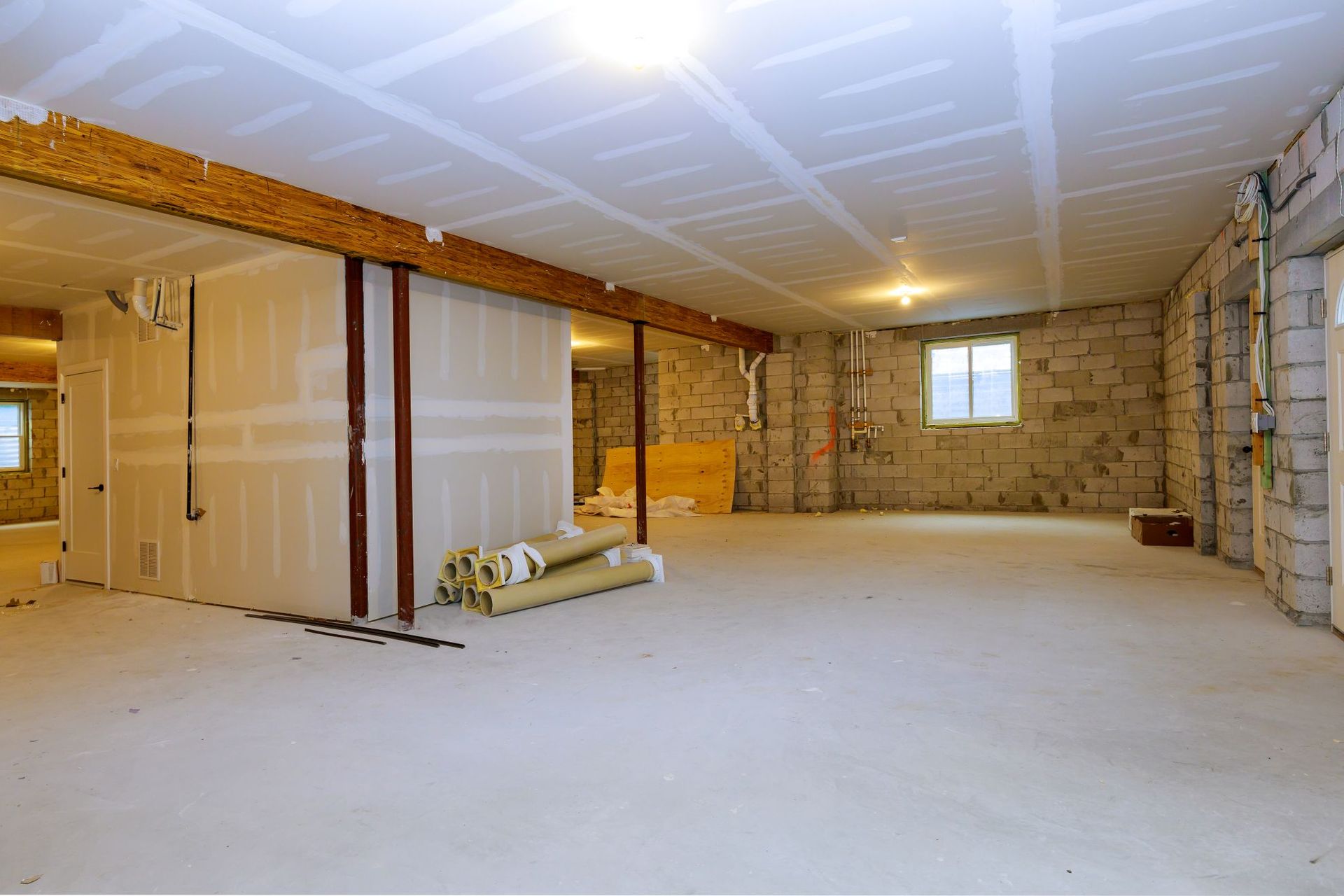
Basement finishing begins with evaluating the foundation for active water infiltration, installing or improving perimeter drainage if necessary, and applying waterproofing treatments to walls before framing. Closed-cell foam insulation on foundation walls creates a thermal barrier without absorbing moisture the way fiberglass batts do when humidity condenses on cold concrete. Framing with treated lumber and moisture-resistant drywall or engineered panels prevents the mold growth and material degradation that occurs when standard building materials sit directly against damp masonry.
Transform unused basement space by scheduling a consultation to assess moisture conditions, discuss layout options, and review insulation and finishing materials suited to below-grade environments.
What Changes After Proper Finishing
Finished basements include egress windows that meet code requirements for bedroom use, providing a secondary exit and natural light that makes the space feel less confined. Flooring options such as luxury vinyl plank or engineered wood installed over subfloor panels with built-in vapor barriers stay dry and stable even when concrete slabs experience minor moisture transmission. Recessed lighting and dedicated HVAC zones keep temperatures consistent rather than leaving basements ten degrees cooler than upper floors.
Once remodeling finishes, the basement maintains stable humidity levels without the musty smell that indicates ongoing moisture problems, and walls stay dry to the touch even during spring thaw periods when groundwater levels rise. Flooring feels warm underfoot rather than conducting cold directly from the concrete slab, and furniture placed against walls doesn't develop mold on hidden surfaces. The added square footage functions as a family room where kids can play without noise traveling to bedrooms, a home office separated from household traffic, or a guest suite that provides privacy for overnight visitors.
Basement remodels range from simple recreation rooms with minimal plumbing to full apartments with bathrooms, kitchenettes, and separate entrances. The scope depends on intended use, budget, and whether the foundation conditions allow for the moisture control and egress requirements needed for different room types.
Answers to Frequent Service Questions
Finishing basement space requires addressing below-grade challenges that don't affect remodels on main floors, particularly moisture management and code compliance for living areas.
What moisture control methods work in Michigan basements?
Interior perimeter drainage channels water to sump pumps, exterior waterproofing membranes prevent infiltration at the source, and vapor barriers under flooring block moisture transmission through concrete slabs.
How do egress windows affect basement bedroom conversions?
Code requires a minimum opening size and sill height that allows occupants to exit during emergencies, which often means cutting through foundation walls and installing window wells with ladders or steps.
When should homeowners in Wyoming consider basement finishing?
After confirming that foundation drainage systems function properly and no active water infiltration occurs, typically following a rainy season observation period to identify hidden moisture problems.
Why does insulation type matter in basements?
Closed-cell foam doesn't absorb water and provides both insulation and vapor barrier properties, while fiberglass batts lose R-value when damp and can harbor mold if moisture condenses on cold foundation walls.
What electrical upgrades support finished basement use?
Additional circuits for outlets and lighting, dedicated lines for entertainment systems or home offices, and GFCI protection in areas near plumbing fixtures or potential moisture sources.
Boldly Construction LLC approaches basement remodeling projects by first ensuring the foundation can support finished living space without moisture damage, then designing layouts that maximize usable square footage and meet code requirements. Contact us to evaluate your basement's suitability for finishing and explore design options that match your intended use.